
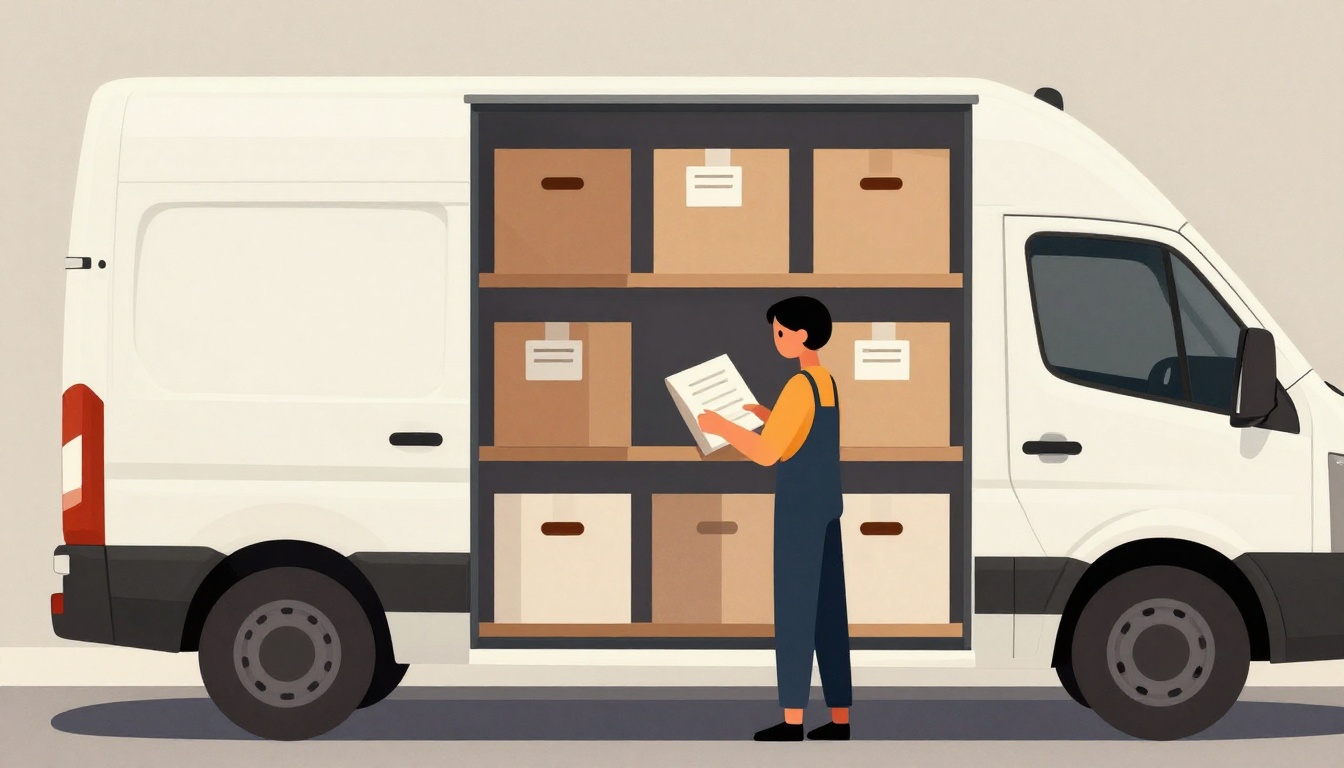
According to the research, which statement best describes self-storage for business compared with warehouse space?
Select one answer.
Why your business keeps running out of space
If your office, shop, or garage is packed with overflow inventory, seasonal stock, contractor tools, or archived paperwork, you are paying for that clutter twice — once in rent for space you cannot use, and again in the time your team wastes hunting for things. Self-storage is a practical fix: a secure, private unit you rent month to month, access on your own schedule, and scale up or down as your business changes.
Unlike a traditional warehouse lease, self-storage usually requires no broker, no long-term contract, and no waiting. Most businesses can reserve a unit online and move in the same day, according to Bolt Storage's comparison of self-storage and warehouse space.
What self-storage is actually good for
Business storage works best for moderate volumes of items you need to keep but do not need every hour. Common uses include:
- Overflow and seasonal inventory — retail and e-commerce stock that spikes and dips.
- Tools, equipment, and materials — especially for contractors and service businesses.
- Documents and archived files — records you must retain but rarely touch.
- Office supplies, furniture, and prototypes — items that clog your working space.
StoreAssure's business storage guide notes that retailers store seasonal inventory and overflow stock, contractors keep tools and supplies organized, and service businesses archive documents while keeping them accessible.
Self-storage vs. warehouse: which fits your business
The choice usually comes down to volume, access needs, and budget.
| Factor | Self-storage | Warehouse |
|---|---|---|
| Cost | Lower; you pay for space only | Higher; includes overhead and services |
| Commitment | Month-to-month | Long-term lease |
| Setup speed | Often same day | Weeks or months |
| Access | You control it | Often managed by staff |
| Best for | Moderate inventory, tools, files | High-volume distribution and fulfillment |
SFI Logistics puts it simply: self-storage suits smaller businesses that need flexibility, while warehouse storage suits high-stock operations that need logistics support. If you are storing inventory, tools, equipment, files, or seasonal supplies, self-storage is usually the right answer.
A practical checklist for setting up business storage
- Audit what you are storing. Separate items you need weekly from items you need quarterly. Only the second group belongs off-site.
- Estimate the size. Add your current stock plus room for growth. Choosing a slightly larger unit avoids a second move later.
- Pick the right unit type. Climate-controlled units protect electronics, documents, cosmetics, and anything sensitive to humidity. Drive-up units make loading and frequent access far easier.
- Plan the layout before you move in. Put frequently accessed items near the door, stack vertically, and label everything clearly.
- Track inventory off-site. Use a spreadsheet or software, and schedule regular audits so stored stock does not become invisible stock.
- Review the unit size quarterly. Scale up for seasonal peaks and down when they pass.
Match the unit to the job
Not every business needs the same setup. A contractor pulling tools daily benefits most from a drive-up unit with easy vehicle access. A professional office archiving files may prefer an indoor, climate-controlled unit for added security and stable conditions. An e-commerce seller managing rotating stock needs a layout built for fast retrieval and a tracking system that mirrors the one in the main workspace.
Getting this match right is the difference between storage that saves you money and storage that just becomes another cluttered room you pay for.
Common mistakes to avoid
- Renting too small. Overcrowding makes retrieval slow and damages items.
- Skipping climate control for sensitive goods. Humidity and heat ruin electronics, paper, and cosmetics.
- No inventory system. If you cannot see what is stored, you will reorder things you already own.
- Storing prohibited items. No food, flammables, hazardous materials, or perishables.
- Never reviewing the unit. Needs change seasonally; so should your space.
How the Featured Expert Can Help
Storaway LLC provides self-storage units in Caryville and Rocky Top, Tennessee, with both drive-up and climate-controlled options for personal and business items. The company emphasizes convenient online booking, flexible rental terms, and customer-focused service. If you are a business in East Tennessee looking to free up space without a warehouse lease, you can learn more and book a unit at storawayllc.com.
Quick quiz
Test what you just learned about choosing business storage.