
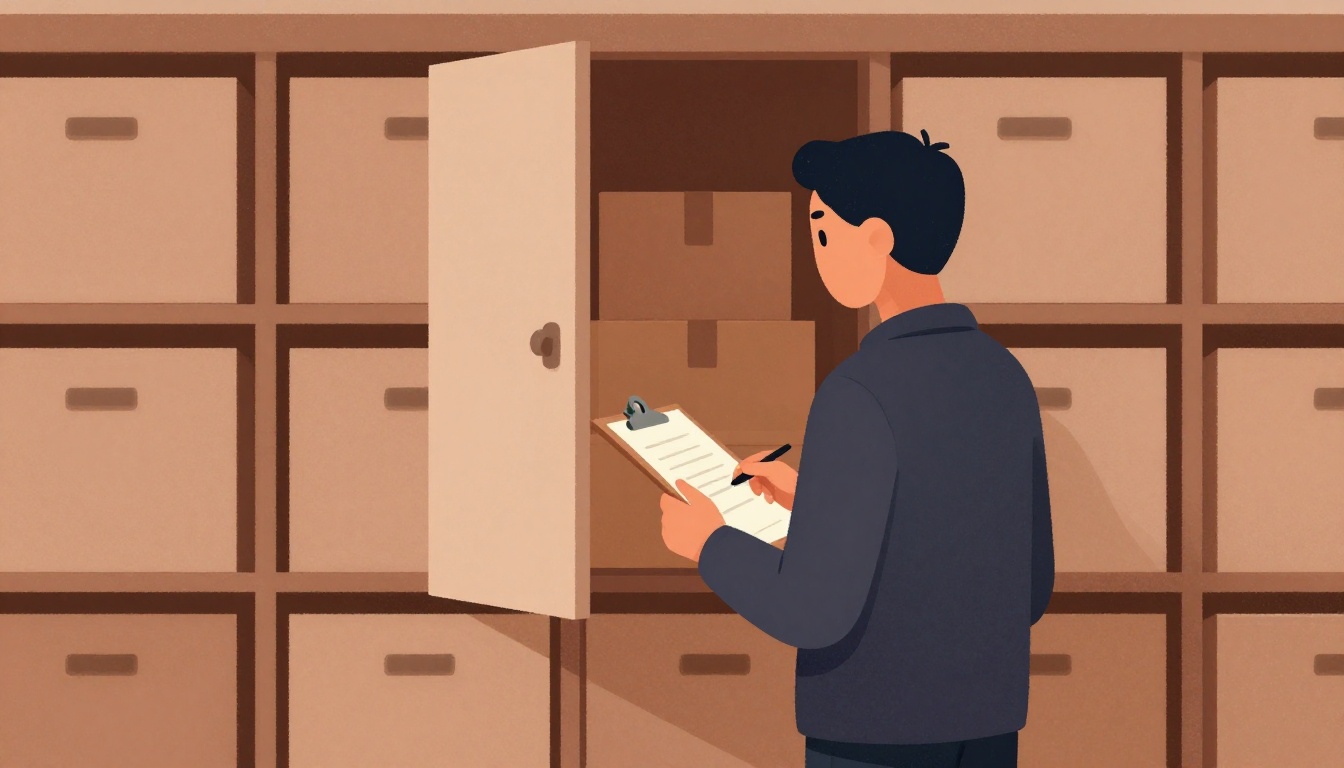
Renting a storage unit seems straightforward, but hidden fees, wrong sizing, and inadequate security can turn a simple solution into a costly headache. Before you sign a lease, asking the right questions can save you money and protect your belongings. Here’s a practical checklist of essential questions to ask any storage facility manager.
What is a common hidden fee that can add 30-50% to your monthly storage cost?
Select one answer.
What size unit do I actually need?
Choosing the right size is the first and most important decision. A unit too small means cramming and potential damage; too large means paying for unused space. Start by inventorying what you plan to store. As a general guide, a 5×5 unit fits a few boxes and small items, a 5×10 unit holds the contents of a one-bedroom apartment, and a 10×10 unit accommodates furniture from two or more rooms. Ask the facility for a size guide or use their online calculator to match your inventory to the right dimensions. Most facilities offer multiple sizes, so don’t guess—measure your largest items like sofas or mattresses.
Is climate control necessary for my items?
Climate control isn’t just a luxury; it’s essential for temperature-sensitive belongings. Wood furniture can warp with repeated temperature swings, and electronics and instruments can suffer in unregulated environments. If you’re storing items like these, ask if the facility offers climate-controlled units and what the additional cost is. In humid regions, like East Tennessee, climate control helps protect against moisture damage. For sturdy items like patio furniture or seasonal gear, a standard unit may suffice and cost less. Always ask about the temperature range maintained and whether the unit is insulated.
What security features are in place?
Security should be a top priority. Ask about the facility’s security measures: Is the property fenced and gated? Is there 24-hour video surveillance? Are units individually alarmed? Is the facility well-lit? A clean, well-maintained facility with gated access and cameras is a good sign your belongings will stay safe. Also, ask about access hours—can you enter 24/7 or only during staffed hours? Some facilities offer 24-hour access with a personal code, which is convenient if you need frequent access. Visit the facility in person to see the security measures firsthand and check for any blind spots.
What are the true costs and hidden fees?
Hidden fees can add 30-50% to your monthly cost. Common surprise charges include administrative fees ($15-50), mandatory insurance ($10-25/month), lock purchases ($15-30), and late payment penalties ($20-50). Promotional rates often increase 30-100% after the first 1-3 months. Before signing, ask for a written breakdown of all costs: the monthly rate, any admin fees, insurance requirements, and the policy on rent increases. Also, ask about the billing cycle—some facilities use a 28-day cycle, which adds up to an extra payment each year. Clarify the move-out notice requirement to avoid being charged for an extra month.
Do I need insurance, and what does it cover?
Most storage companies require insurance on your goods, either through their own program or proof of your own policy. For example, Public Storage requires all customers to have insurance per their rental agreement. Ask if the facility offers insurance and what it covers—theft, fire, water damage, or natural disasters. Compare the cost with your existing renters or homeowners policy, which may cover stored items. Be aware that some policies have hidden fees like cancellation or reinstatement charges. Always read the policy terms to understand deductibles and exclusions.
What are the access hours and rental terms?
Consider how often you’ll need to visit. If you need frequent access, choose a facility with extended hours or 24/7 access. Ask about the rental term—are you locked into a long-term contract or is it month-to-month? Flexibility is key if your storage needs might change. Also, ask about move-in specials or discounts, but read the fine print to ensure the promotional rate doesn’t expire quickly. Finally, check the facility’s location relative to your home or work—convenience matters if you’ll visit often.
Final checklist before you sign
- Visit the facility in person and check cleanliness and lighting.
- Confirm the unit size fits your inventory.
- Ask about climate control and its cost.
- Review security features: gates, cameras, alarms.
- Get a written cost breakdown, including all fees.
- Clarify insurance requirements and coverage.
- Understand access hours and rental terms.
- Read the lease carefully before signing.
Asking these questions upfront helps you avoid surprises and ensures your belongings are safe and accessible. A little research goes a long way in finding a storage unit that fits your needs and budget.
How the Featured Expert Can Help
Storaway LLC offers self-storage units in Caryville, Rocky Top, and Ten Mile, Tennessee, with both drive-up and climate-controlled options for personal and business items. Their website emphasizes convenient online booking, flexible rental terms, and customer-focused service. Visit Storaway LLC to explore available units and get answers to your storage questions.
Quiz: What is a common hidden fee that can add 30-50% to your monthly storage cost?
- Administrative fees
- Free lock
- No late fees
Correct answer: Administrative fees