
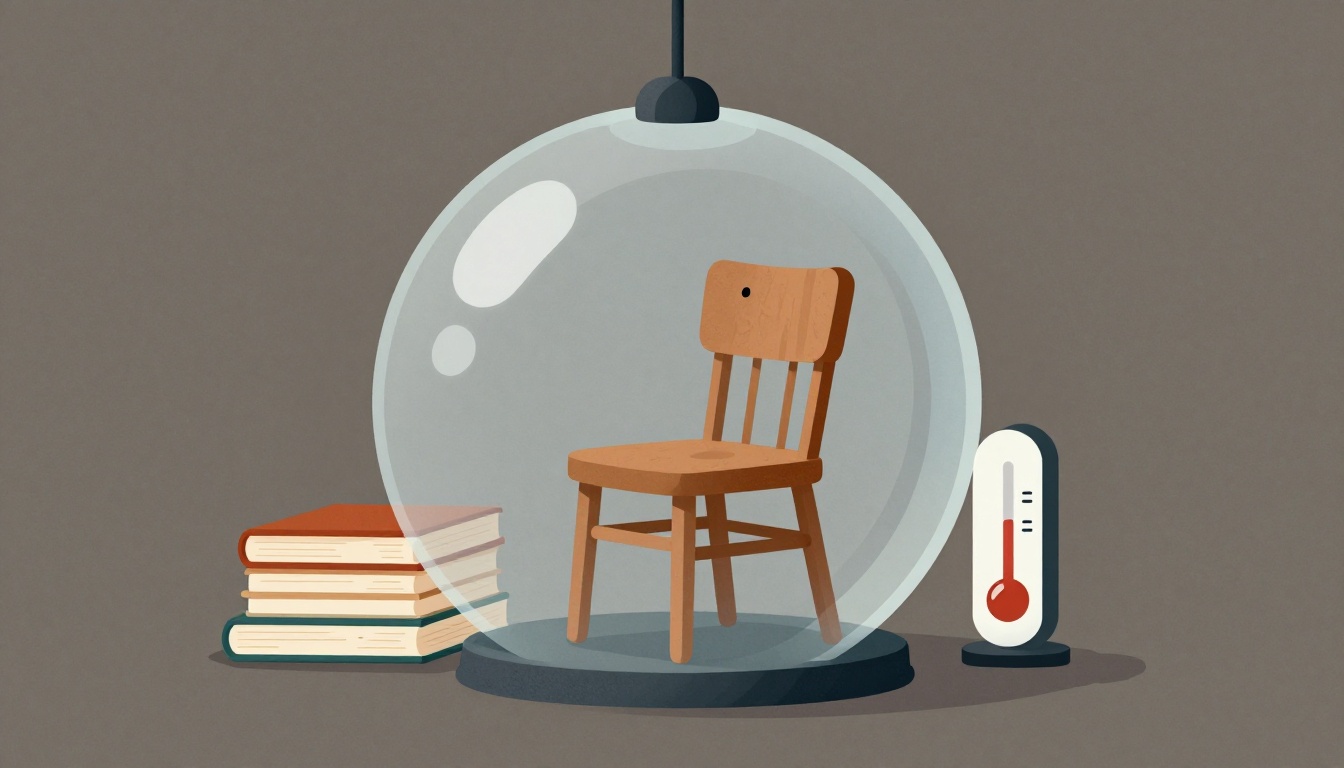
You're staring at two price tags for the same size unit: one standard, one climate-controlled. The climate option costs more—sometimes 25–40% more—and you wonder if it's just a premium for peace of mind or a real necessity. The answer depends on what you're storing, how long you'll store it, and the climate where you live. This guide breaks down the actual costs, the real risks, and a simple checklist to help you decide.
What is the typical cost premium for climate-controlled storage compared to standard units?
Select one answer.
What climate-controlled storage actually does
Climate-controlled units are housed inside a finished building with insulated walls and a central HVAC system. They maintain a consistent temperature—typically between 55°F and 80°F year-round—and help manage humidity to mimic indoor home conditions. Standard units, especially outdoor drive-up ones, can get significantly hotter than the outside temperature in summer and drop to freezing in winter. That fluctuation is what damages your belongings.
The cost difference: what you'll pay
There's no single nationwide price difference, but you can expect to pay more for climate control. One industry source reports that climate-controlled units typically cost 25–40% more than non-climate-controlled units. Another source puts the premium at up to 19% depending on location. In some markets, the upcharge can be 15–35% or more. For example, a 10x10 climate-controlled unit might cost around $70–$88 per month, but prices vary widely by region and facility.
What actually gets damaged without climate control
Heat, cold, and humidity cause real, often irreversible damage. Here's what's at risk:
- Wooden furniture: Wood expands and contracts with temperature swings, leading to cracks, warping, and split finishes. Antiques are especially vulnerable.
- Electronics: High heat can damage components, and condensation from humidity can cause corrosion. Batteries and LCD screens are particularly sensitive.
- Plastic items: High temperatures can soften, warp, or permanently deform plastic household items.
- Fabrics and clothing: Silk and synthetic fabrics like polyester and nylon can deteriorate or melt in heat. Humidity encourages mildew and musty odors.
- Paper and photographs: Humidity above 60% can cause mold, staining, and permanent damage to documents and photos.
- Leather goods: Low humidity can make leather brittle and crack; high humidity can cause mold.
- Musical instruments: Precision instruments can go out of tune or suffer structural damage with temperature and humidity changes.
When climate control is worth the extra cost
Consider climate-controlled storage if you're storing any of the following, especially for more than a few months or in a climate with significant heat, cold, or humidity:
- Wooden furniture or antiques
- Electronics, computers, or appliances
- Clothing, textiles, or leather goods
- Artwork, photographs, or important documents
- Musical instruments
- Wine or other temperature-sensitive items
If you're only storing sturdy items like metal tools, plastic bins, or seasonal decorations for a short period, a standard unit may be fine.
How to decide: a practical checklist
Before you book, ask yourself these questions:
- What am I storing? If any item would suffer in an unheated garage during winter or a hot attic in summer, it needs climate control.
- How long will I store it? The longer the storage period, the more exposure to temperature swings—and the higher the risk.
- What's my local climate? If your area has extreme heat, freezing winters, or high humidity, climate control is more valuable.
- What's the cost difference? Compare the monthly premium against the replacement cost of your items. If the premium is less than the value of what you'd lose, it's worth it.
- Does the facility offer humidity control? Some climate-controlled units manage humidity indirectly; others have active dehumidification. Ask before you rent.
The bottom line
Climate-controlled storage isn't a luxury—it's a protective measure for items that would otherwise be damaged by temperature and humidity extremes. The extra cost can save you money in the long run by preventing costly replacements. If you're storing sensitive belongings for more than a few months, the premium is usually worth it.
How the Featured Expert Can Help
Storaway LLC offers self-storage units in Caryville, Rocky Top, and Ten Mile, Tennessee, with both drive-up and climate-controlled options for personal and business items. Their website highlights convenient online booking, flexible rental terms, and customer-focused service. If you're in East Tennessee and need help choosing the right unit, visit Storaway LLC to see available options and book online.
Quiz: Test your knowledge
Question: What is the typical cost premium for climate-controlled storage compared to standard units?
- A. 25–40% more
- B. 5–10% more
- C. 50–75% more
Correct answer: A. Climate-controlled units typically cost 25–40% more than non-climate-controlled units, according to industry sources.